
Killer Whale Ecotype Study (KWEST) kicks off
July 27, 2026
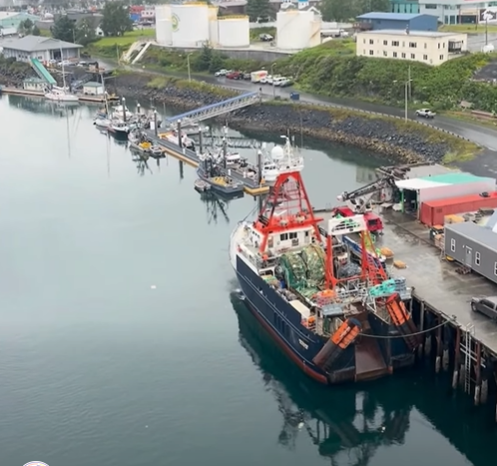
Research scientists from the University of Washington and NOAA recently departed from Kodiak, AK aboard the R/V Aquila for a 2-month research cruise focused on distinct groups of killer whales, or ecotypes, that hunt different prey and travel in different parts of the Gulf of Alaska.
First CEE Trial of 2026 – and False Killer Whales
July 23, 2026
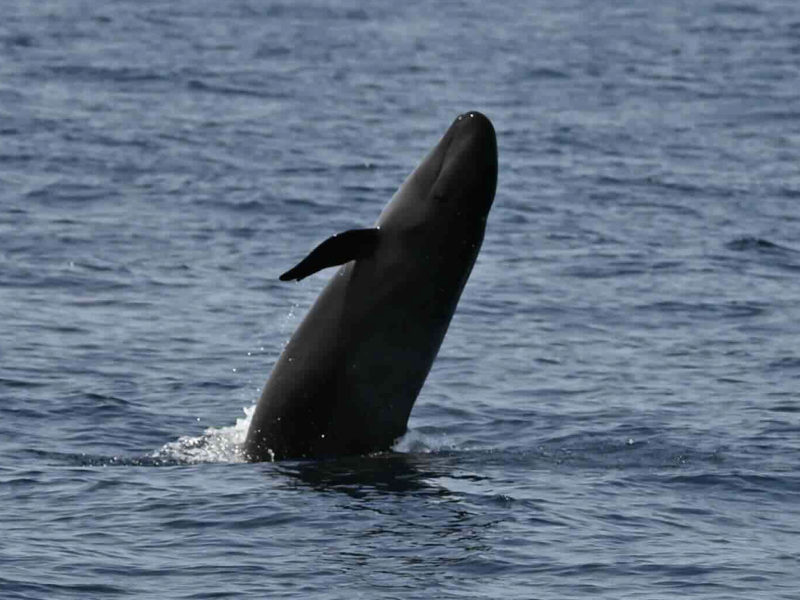
The Atlantic BRS team had an extremely productive day on Friday, July 17th with tags deployed on both false killer whales and goose-beaked whales, as well as a successful controlled exposure experiment with simulated Continuous Active Sonar signals.
First Tagged Sea Turtle Released from Jekyll Island, Georgia
October 17, 2025
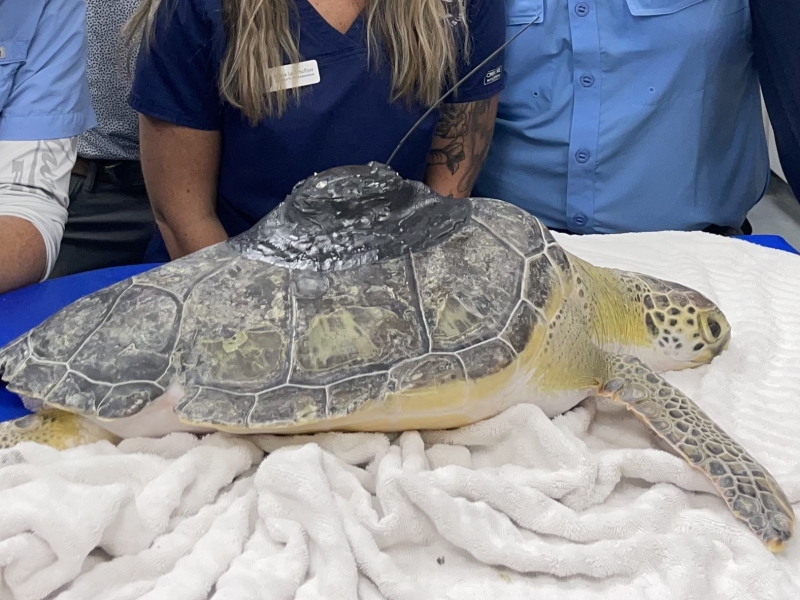
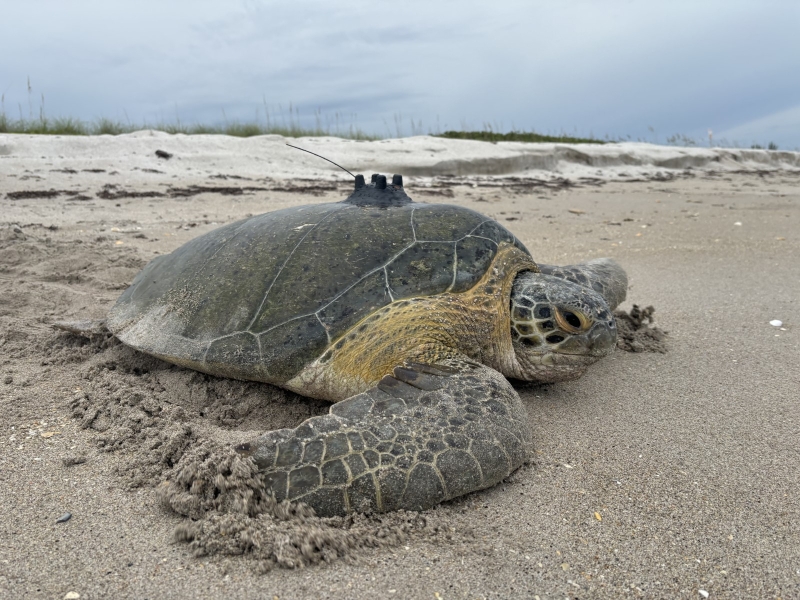
Collaborators at the Jekyll Island Authority in Georgia have released the first satellite-tagged green turtle in Georgia waters under the Navy’s “Green and Kemp's Ridley Turtle Tagging for Availability Bias Estimates” Project.
Controlled Exposure Experiment Trial with Simulated CAS Signals
October 1, 2025
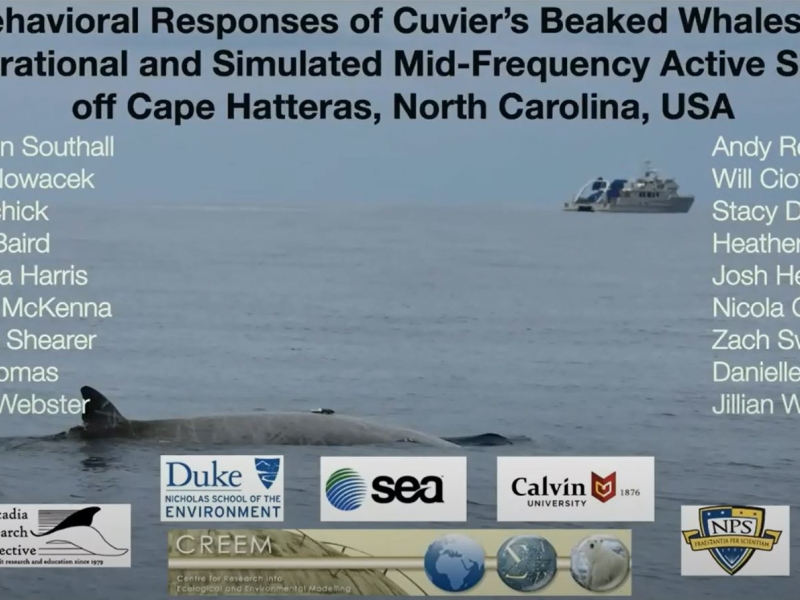
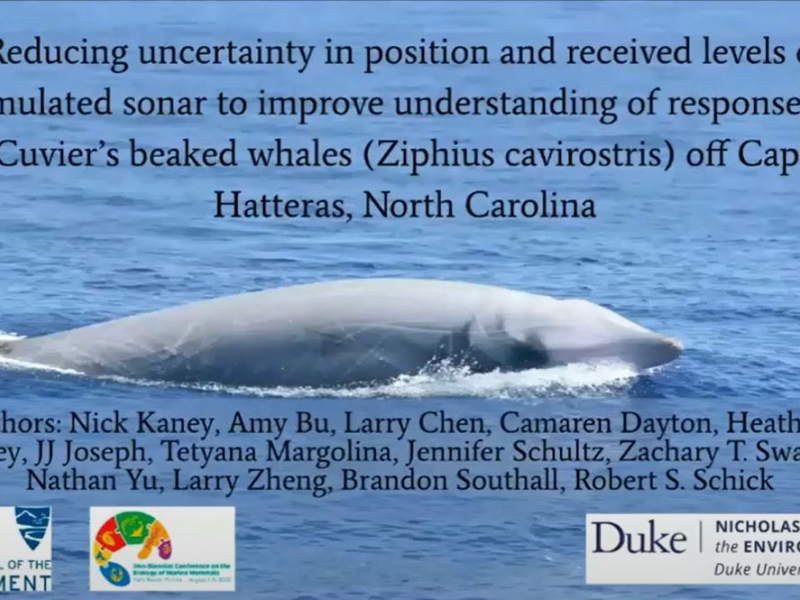
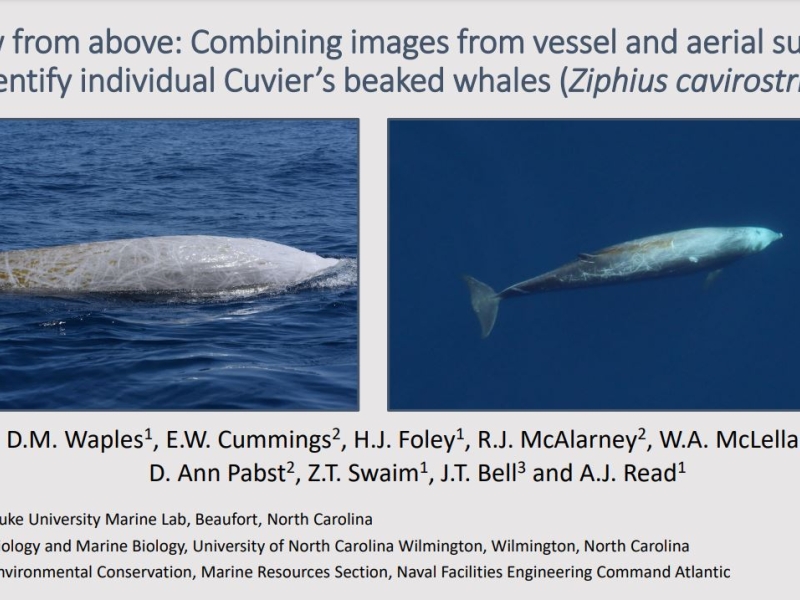
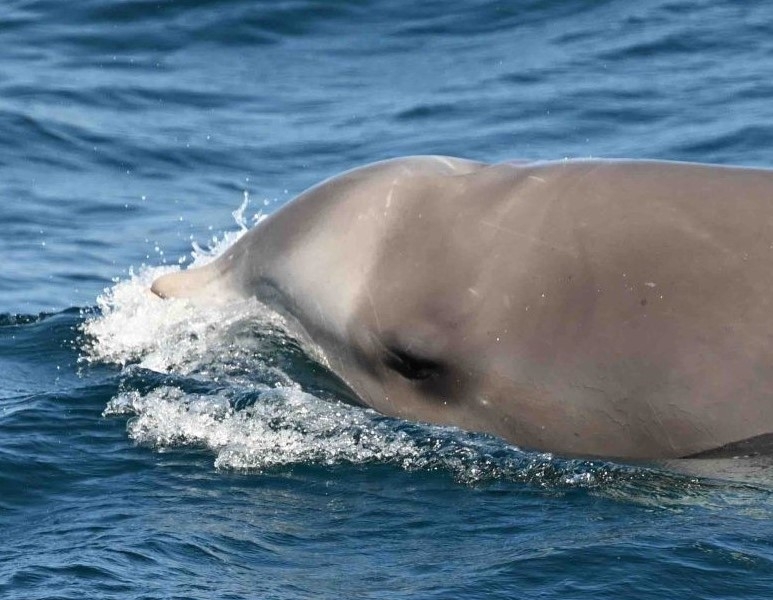
On Friday, September 19th, the project team led by Duke University and Southall Environmental Associates conducted a Controlled Exposure Experiment (CEE) trial with goose-beaked whales Ziphius cavirostris in our study area off Cape Hatteras. They generated simulated Continuous Active Sonar (CAS) signals with a brand-new sound source built specifically for this purpose.
Atlantic BRS - successful CEE trial with the USS Donald Cook
July 22, 2025
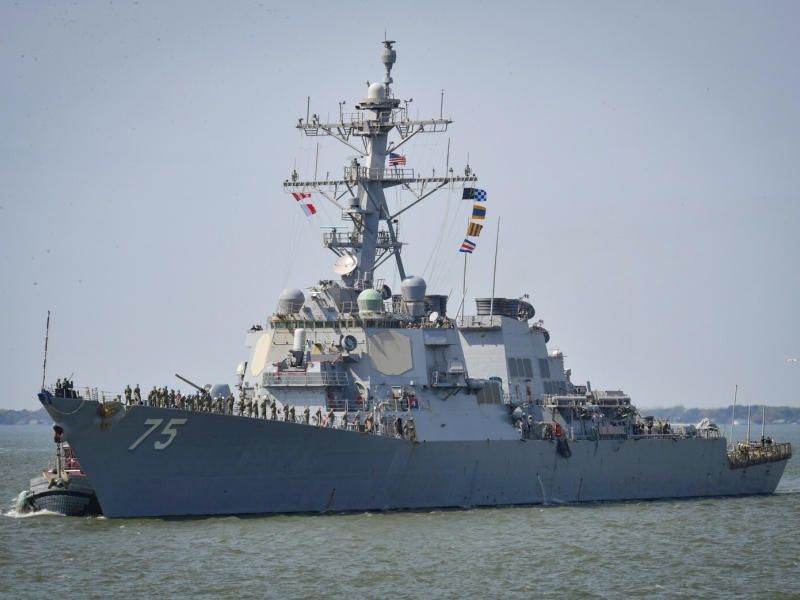
The Atlantic BRS team just completed a successful controlled exposure experiment with the Arleigh Burke-class guided-missile destroyer USS Donald Cook (DDG 75) involving eight satellite-tagged beaked whales off Cape Hatteras.
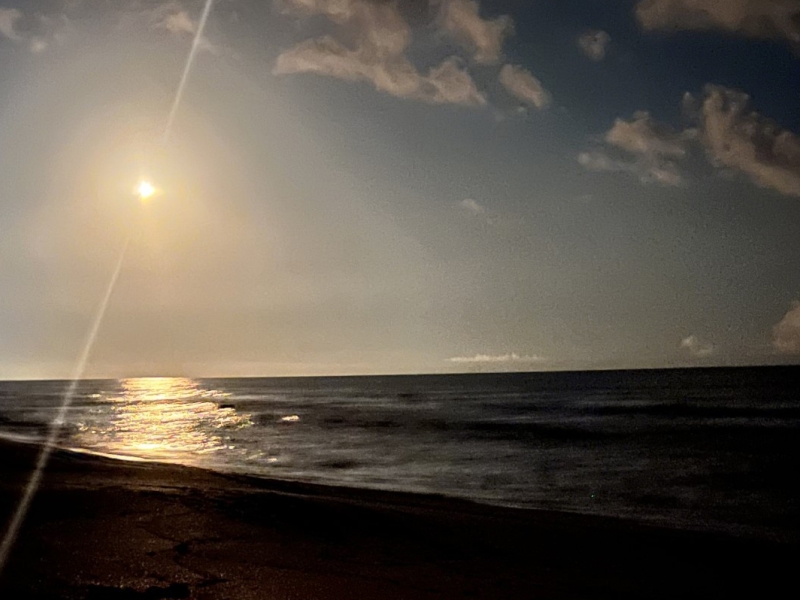
Green turtles are back on the Space Coast
July 21, 2025
A field team led by co-Principle Investigator Dr. Kate Mansfield of the Marine Turtle Research Group at the University of Central Florida kicked off the second year of tagging for our “Kemp’s Ridley and Green Sea Turtle Tagging for Availability Bias Analysis” project.
Atlantic BRS - field work update
July 16, 2025
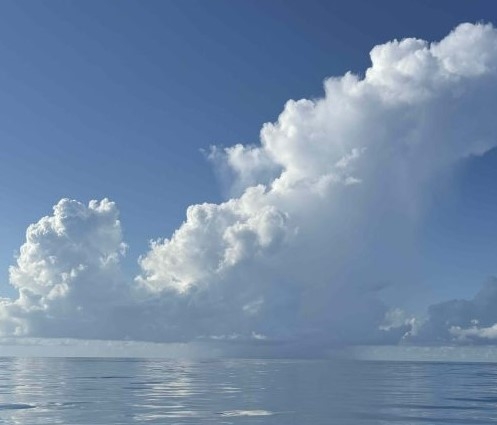
You never know what you will see offshore, and this weekend was no exception.
Atlantic BRS 2025 - Old Friends & Baby Beaked Whales
June 26, 2025
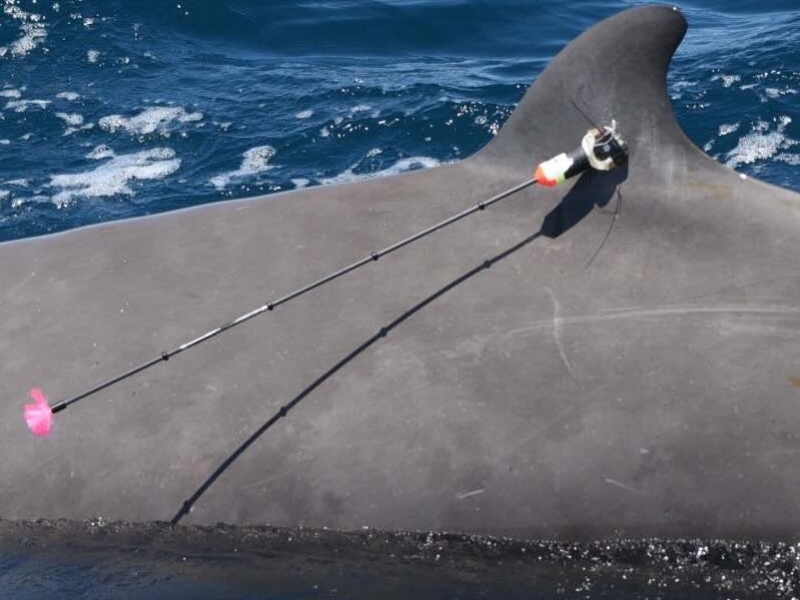
Field work recently kicked off for the Atlantic BRS project field season and we're happy to say that things appear much more "normal" compared to 2024 when Ziphius were relatively scarce at the Hatteras study site.
Kemp's on the move!
May 19, 2025
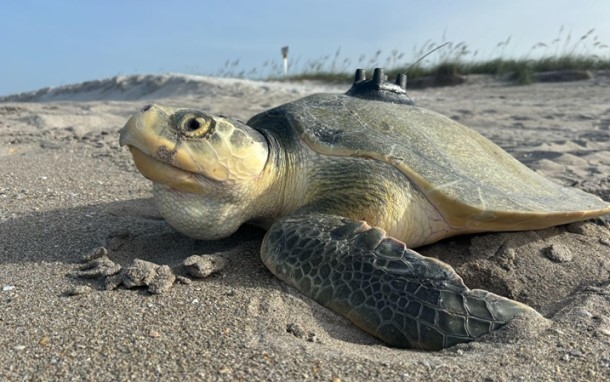
Five Kemp’s ridley turtles satellite tagged on the east coast of Florida have moved out of Florida waters.
Kaua'i Field Work Updates
February 20, 2025
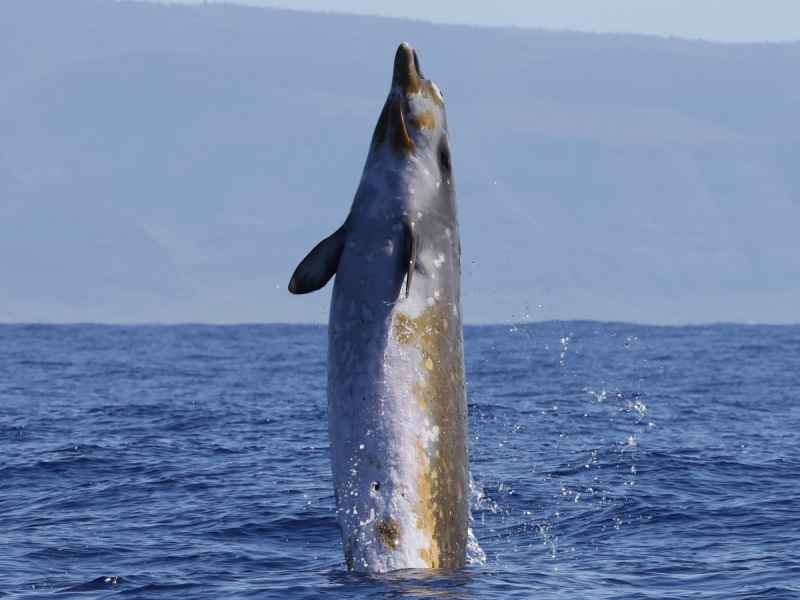
Scientists from Cascadia Research Collective recently completed a ~9-day field project off Kaua’i that started on February 9th. This project is timed to occur prior to a Submarine Command Course (SCC) training event. The primary goal is to deploy satellite telemetry tags on multiple species of odontocete cetaceans prior to the SCC, to be able to examine their behavior before, during, and after the event. This approach has been very successful in the past as a way of examining how different species respond to Navy training activities including mid-frequency active sonar (MFAS). Click through the picture below to see daily updates.
Winter is here in Virginia, and so are the seals!
January 21, 2025
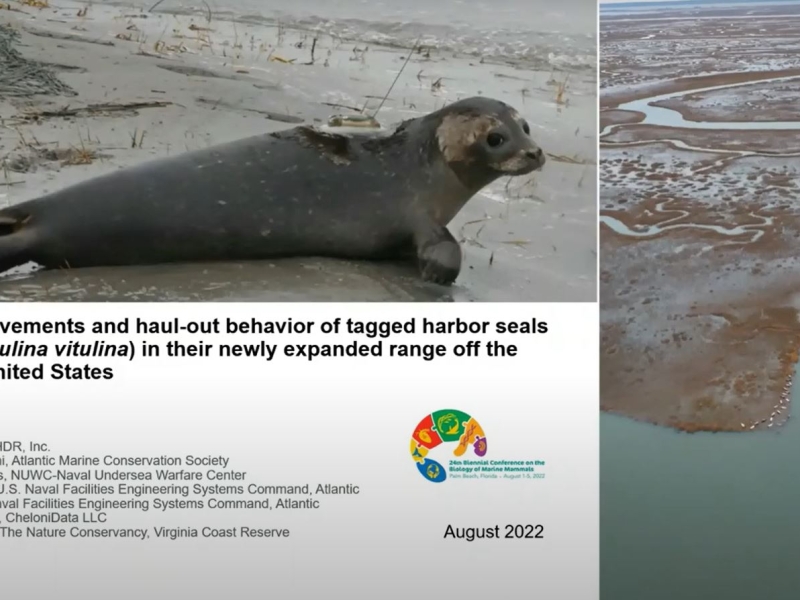
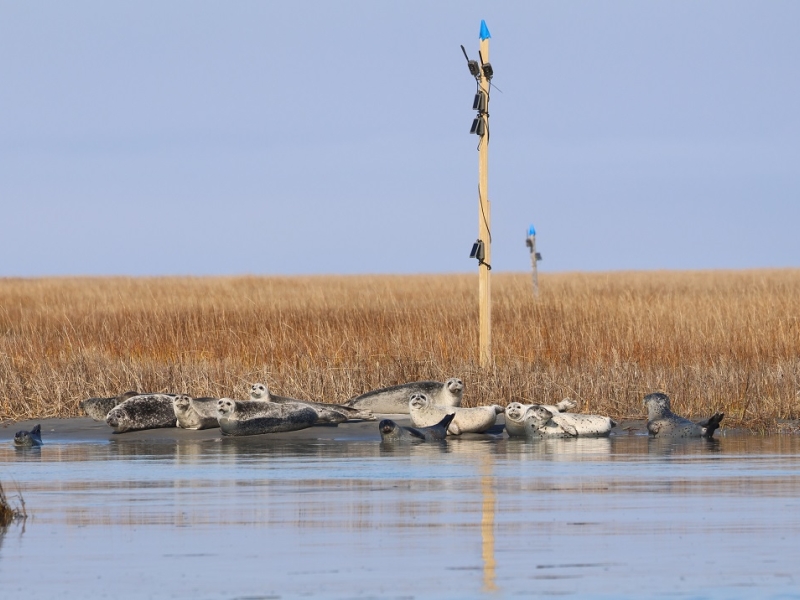
NAVFAC LANT researchers are back at it for the 11th field season of monitoring gray and harbor seals at two major haul-out locations in southeastern Virginia.
Aerial Surveys to Confirm Seal Haul-out Sites in Virginia
January 14, 2025
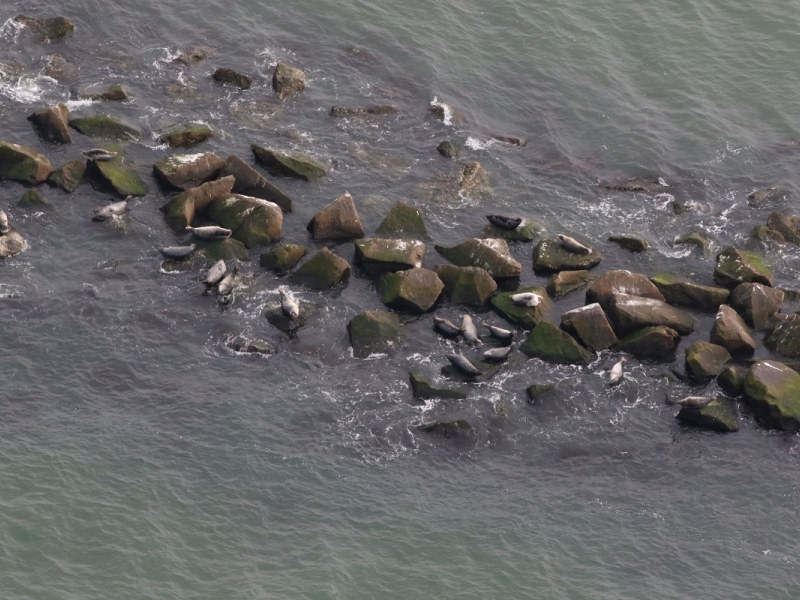
Each fall/winter, some portion of the Northwest Atlantic harbor seal population that summers in New England make their way south to Virginia.
Right whale calf sighted off Virginia!
December 20, 2024
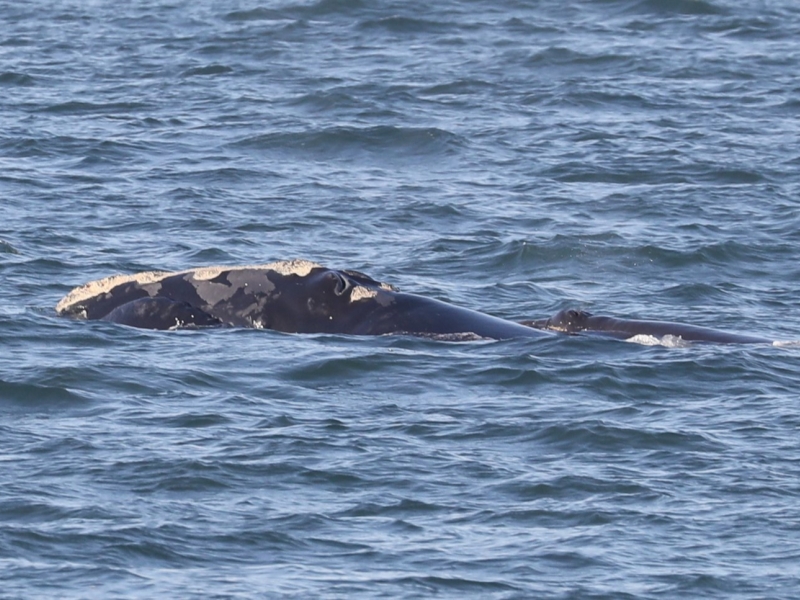
On December 18, 2024, during a survey off Virginia Beach, researchers from HDR Inc. and NAVFAC LANT observed North Atlantic right whale #4540 with her first known calf. This sighting is notable as it's the earliest recorded instance of a newborn right whale calf in Virginia waters, suggesting a possible shift in calving locations northward from the typical areas off Florida and Georgia.
Males have joined the turtle tagging party
July 15, 2024
Researchers from Inwater Research Group (IRG), supported by Dr. Kate Mansfield of the UCF Marine Turtle Research Group and Andrew DiMatteo of CheloniData LLC, have deployed a satellite-linked data logger on an adult male green sea turtle in St. Lucie County, Florida. This initiative aims to study the diving behavior and habitat use of male green turtles along the U.S. east coast.
First Satellite Tag Deployments for Atlantic BRS 2024
July 8, 2024
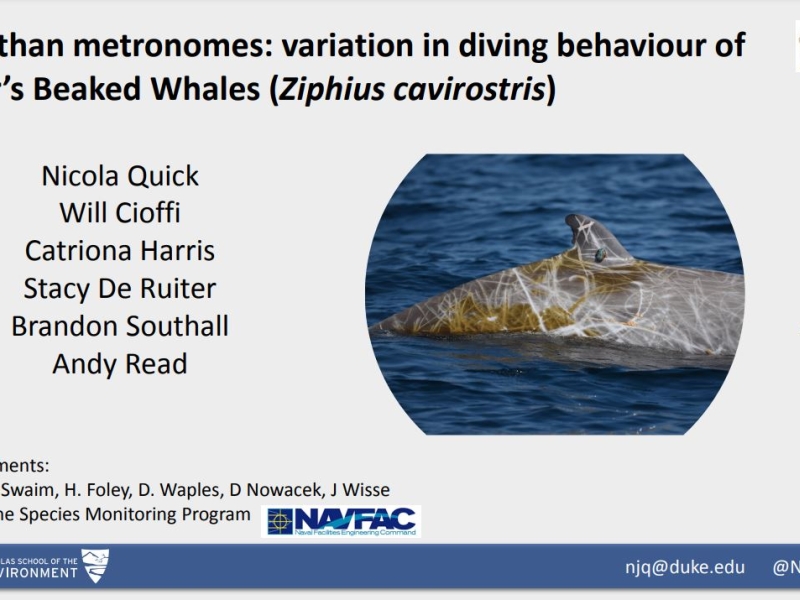
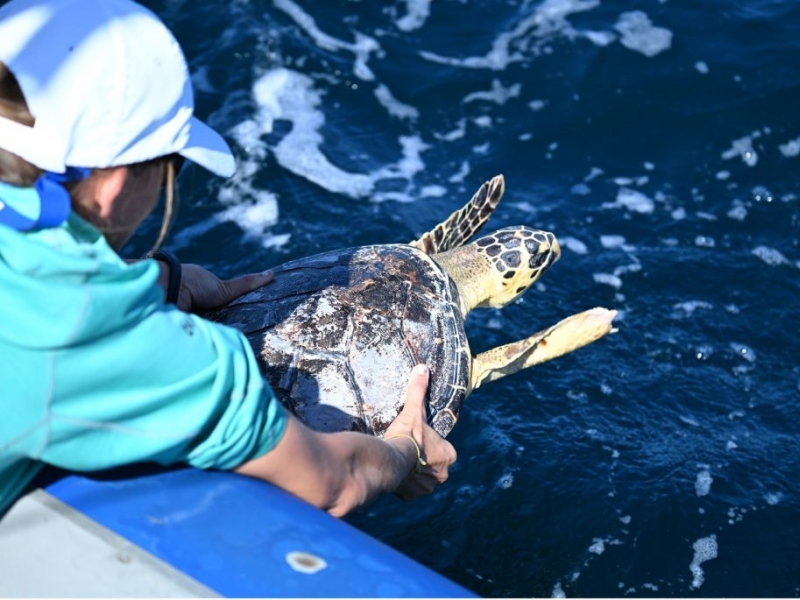
In June 2024, a Duke University team initiated the Atlantic Behavioral Response Study (BRS) by deploying satellite-linked dive recorders on goose-beaked whales (Cuvier's beaked whales) off the coast of North Carolina. These tags collect data on the whales' diving behavior and locations, enhancing understanding of their baseline activities. Additionally, the team released a rehabilitated hawksbill sea turtle named Bagheera back into the Atlantic Ocean.
Back in the turtle tagging business
June 28, 2024
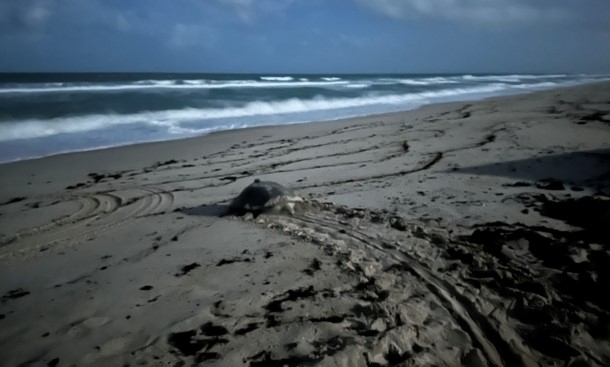
Researchers at the University of Central Florida (UCF), led by Dr. Kate Mansfield and supported by the UCF Marine Turtle Research Group and Andrew DiMatteo of CheloniData LLC, deployed five satellite-linked data loggers on adult nesting green turtles at the Archie Carr National Wildlife Refuge in Florida during the week of June 17th.
Mesoplodon mysterioso
June 13, 2024
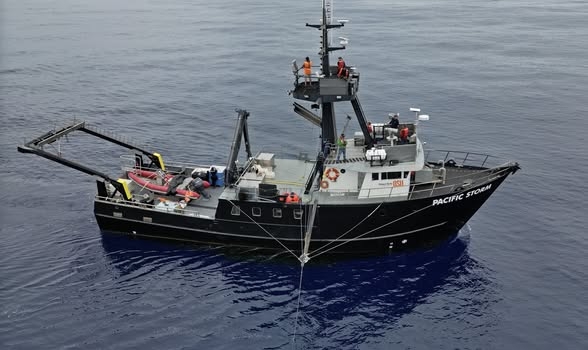
We are thrilled to be part of the "Mystery Mesoplodon Expedition" off the west coast of Baja California searching for an elusive new species of beaked whale. Read about the initial discovery and stay tuned for updates on this exciting expedition!
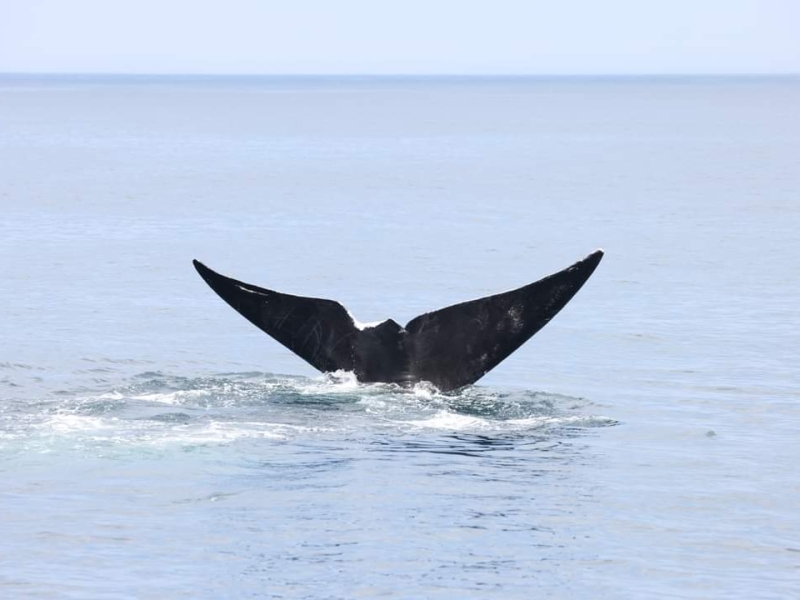
Whales of Summer
June 10, 2024
In the mid-Atlantic, baleen whale sightings typically occur during the colder months, with peak activity in December and January. Sightings of humpback and right whales usually decrease by late March through April. While occasional baleen whale sightings, particularly of fin whales, happen during warmer months, large groups are uncommon as summer approaches. Pelagic surveys during this time often focus on odontocetes like sperm whales and beaked whales.
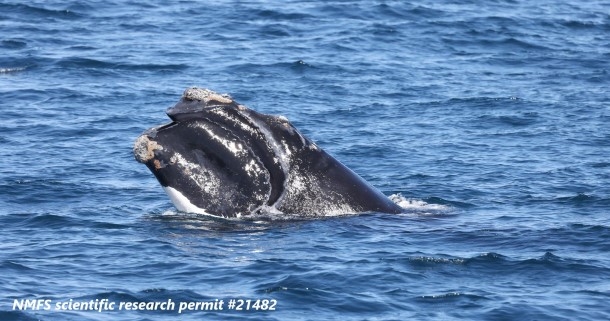
New Right Whale Calf Seen Off Virginia!
June 3, 2024
On Saturday 01 June 2024 during one of our offshore surveys 60 miles southeast of Virginia Beach, we encountered North Atlantic right whale Pico (Catalog #3270) and her calf!
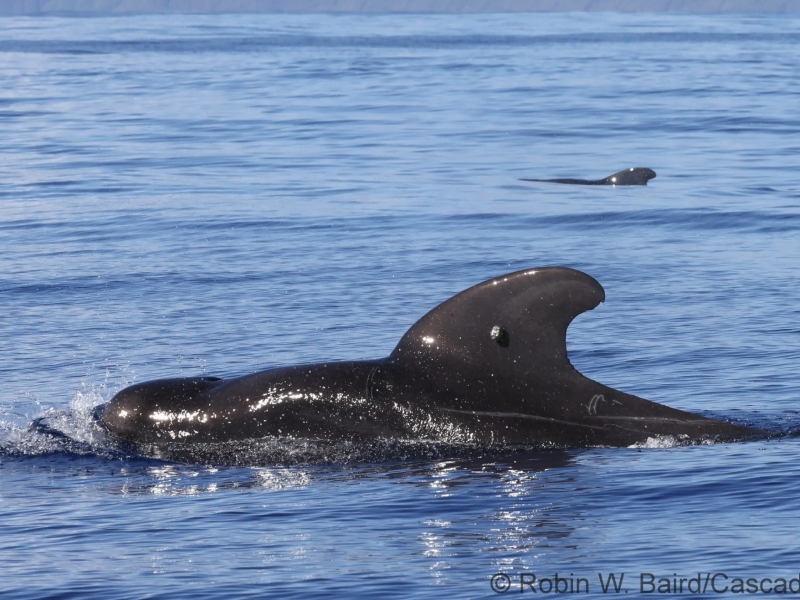
Kauai' Field Work Updates
February 16, 2024
Scientists from Cascadia Research Collective are leading a ~9-day field project off Kaua’i that started on February 11th.
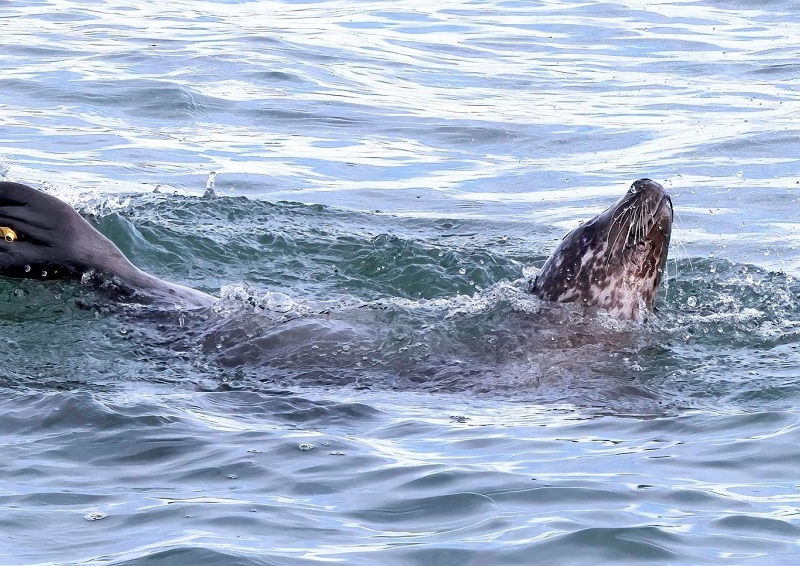
Seal Tagged in 2022 is Back Again!
February 14, 2024
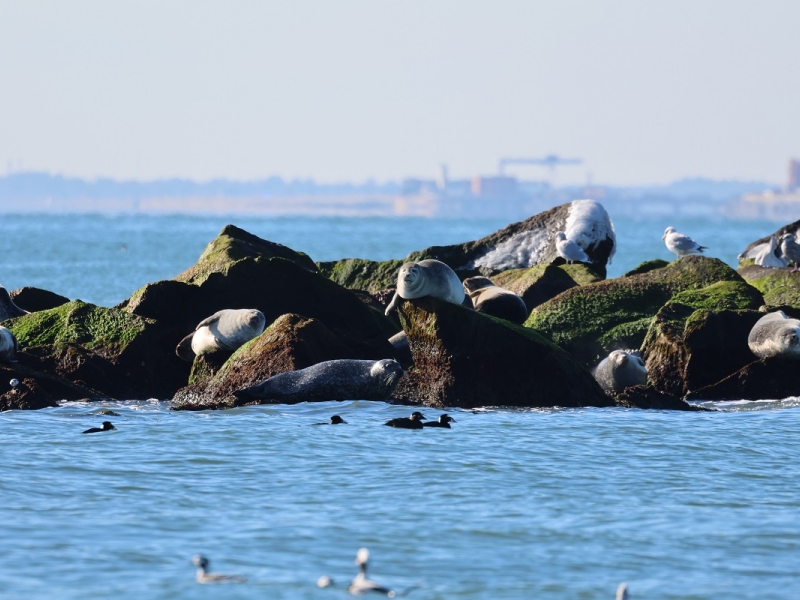
On 10 February 2024, a local wildlife enthusiast, Caroline Prevost, was out on the Chesapeake Bay when she observed some harbor seals enjoying time in the water near island 4 of the Chesapeake Bay Bridge Tunnel.
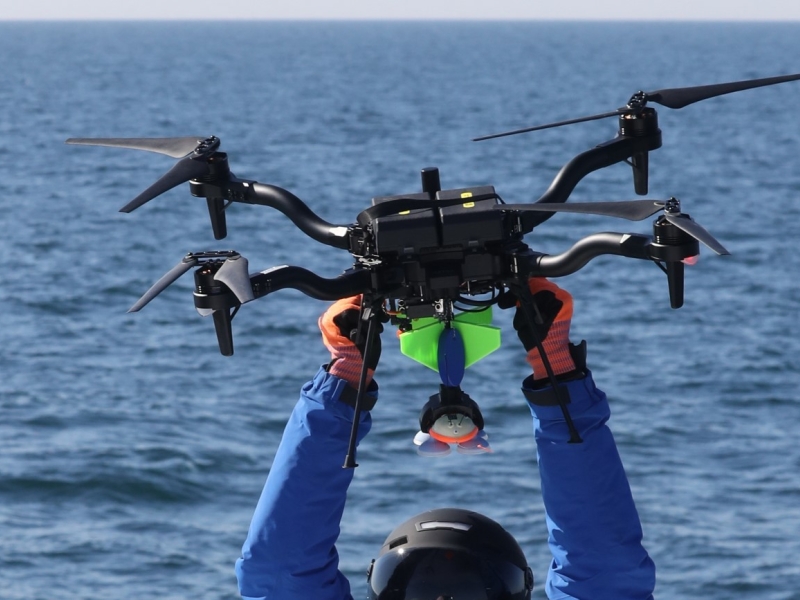
Using drones to study whales from a new perspective
November 21, 2023
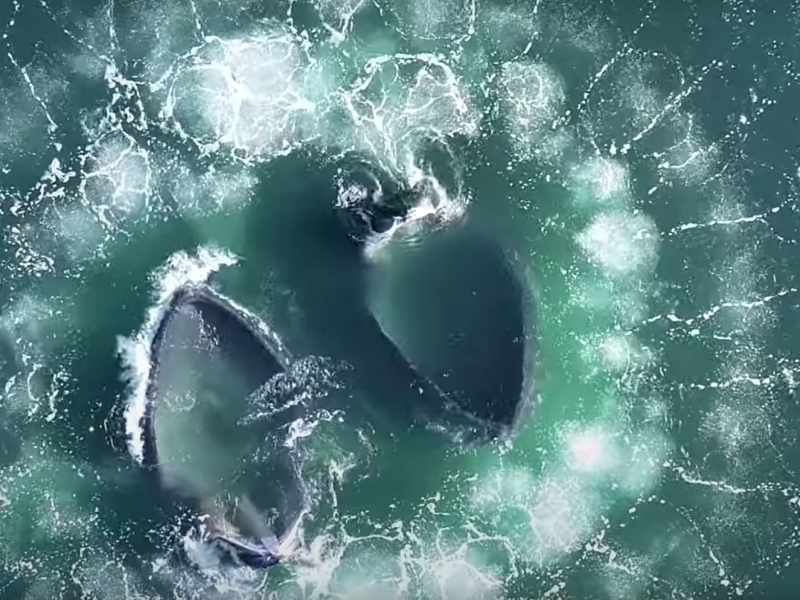
Small unmanned aircraft systems (sUAS) or “drones” are increasingly being used to study marine mammals from a different perspective.
Humpbacks - New visitors and familiar friends in the Mid-Atlantic
November 20, 2023
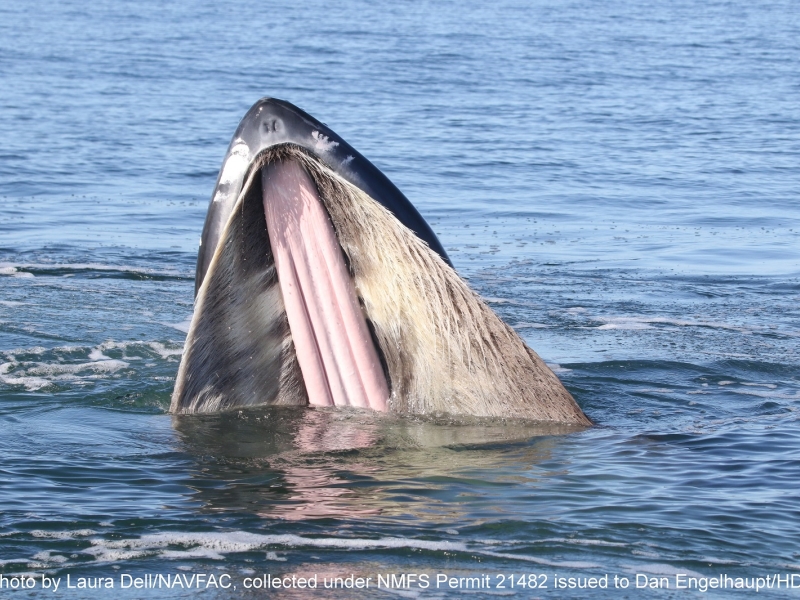
On 16 November 2023, the weather lined up perfectly for HDR Inc. to go out in their small boat for some large whale survey work under the Mid-Atlantic Nearshore and Mid-shelf Baleen Whale Monitoring Project.
Complete
Vessel-based Marine Mammal Surveys in Puget Sound, Washington
Project Objectives
Conduct marine mammal in-water vessel-based line transect surveys in the Puget Sound basin to: 1) Record data on all marine mammal species seen with the study area, with a focus on the killer whale (Orcinus orca) and the harbor porpoise (Phocoena phocoena). 2) Identify the seasonal occurrence and abundance/density of cetaceans within the study area. 3) Identify the effects of environmental variables on the distribution and abundance of species in the study area.
Complete
Pacific Islands Marine Mammal Stranding Diseases
Project Objectives
Determine cause of death when cetaceans strand to ensure accurate public understanding of stranding cause, with focus on infectious diseases
Current
North Pacific Marine Mammal Species Distribution
Project Objectives
Develop a North Pacific-wide species distribution model for cetaceans
Current
Gulf of Alaska Acoustic Moorings and Analysis
Project Objectives
Conduct systematic line transect survey for marine mammals for density estimates; conduct survey to determine ecotype identity of killer whales; analyze existing and newly collected data for seasonal occurrence, abundance, and density of cetacean
Complete
Guam Shore Based Visual Surveys
Project Objectives
Shore-based marine mammal surveys
Complete
Conservation Canine for Marine Mammal Scat Collection in Hawaii
Project Objectives
Test whether a K9 can be trained to detect and 'direct' boat drivers via changes in behavior to the scat of marine mammals in Hawaii
Complete
Behavioral Response Research Evaluation Workshop II (BRREW II)
Project Objectives
Response
Complete
Pilot study for shore based humpback surveys in Saipan
Project Objectives
Humpback whale nearshore distribution in nearshore Saipan waters
Complete
Pilot survey for humpback whales at Farallon de Medinilla
Project Objectives
The goal of the visual surveys is to collect individually-identifying information from humpback whales present near and around Farallon de Medinilla (FDM)
Complete
Sea turtle tagging in the Mariana Islands Range Complex
Project Objectives
Develop a better understanding of sea turtle distribution and habitat use in the Mariana Islands, particularly in relation to locations used by the Navy for underwater detonation training
Complete
Small vessel visual surveys in the Mariana Islands Range Complex
Project Objectives
Identify species of beaked whales, odontocetes, and baleen whales that occur in the Mariana Islands; Monitor marine mammal and sea turtle presence, distribution, and diversity in nearshore waters during key seasons (summer and winter); Develop a better understanding of marine mammal distribution, movement patterns, habitat use, population structure, and abundance; Develop reference library of visually-validated acoustic recordings of marine mammals.
Current
Coral survey at Farallon de Medinilla
Project Objectives
Assess presence and status of ESA-listed corals at FDM
Complete
Occurrence of Green Sturgeon in Inland Waters (historical tag analysis)
Project Objectives
Compile green sturgeon tag and receiver data and analyze historical data for occurrence, distribution, and seasonality in Puget Sound and the Straits of Juan de Fuca
Complete
Aerial Surveys of Marine Mammals Conducted in the Inland Puget Sound Waters of Washington, summer 2013 – winter 2016
Project Objectives
1) Conduct aerial surveys during four seasonal periods within the inland Puget Sound Survey Area to assess potential differences in seasonal distribution, numbers, and behavioral state patterns of marine mammals; 2) Collect data to estimate densities of marine mammals in the inland Puget Sound waters for species with sufficient sightings; 3) Estimate abundance for each marine mammal species seen an adequate number of times; 4) Document the distribution and habitat use of each species observed; 5) Document and describe behaviors seen without performing focal follows.
Complete
Sound source measurements from pile driving
Project Objectives
Determine the source levels produced by impact and vibratory driving of different size and material piles during construction projects
Complete
Bottlenose Dolphin Occurrence in Estuarine and Coastal Waters near Panama City, Florida
Project Objectives
Determine species occurrence, and distribution, habitat use, and abundance of Tursiops in St. Andrew Bay and coastal waters adjacent to the Naval Surface Warfare Center, Panama City Division.
Complete
Baseline Monitoring for Marine Mammals in the East Coast Range Complexes (aerial surveys)
Project Objectives
Assess occurrence, habitat associations, and density of marine mammals and sea turtles in key areas of Navy range complexes
Complete
Baseline Monitoring for Marine Mammals in the East Coast Range Complexes (vessel surveys)
Project Objectives
Assess occurrence, habitat associations, and stock structure of marine mammals and sea turtles in key areas of Navy range complexes
Complete
Haul-Out Counts and Photo-Identification of Pinnipeds in Narragansett Bay, RI
Project Objectives
Document seasonal occurrence, habitat use, and haul-out patterns of seals
Complete
North Atlantic Right Whale Monitoring in the Southeast Calving Area
Project Objectives
Assess behavior of right whales in coastal waters of the Southeast calving grounds, including rates of travel of individuals, dive behavior, and rates of sound production
Complete
Occurrence, Distribution, and Density of Marine Mammals Near Naval Station Norfolk and Virginia Beach
Project Objectives
Assess occurrence, seasonality, and abundance of Tursiops in the coastal waters of Hampton Roads military installations
Complete
Mid-Atlantic Humpback Whale Catalog
Project Objectives
Establish a centralized collaborative humpback whale photo-id catalog for the mid-Atlantic and southeast regions to support management and environmental planning
Complete
Mid-Atlantic Humpback Whale Monitoring
Project Objectives
Assess occurrence, habitat use, and baseline behavior of humpback whales in the mid-Atlantic region
Complete
Occurrence, Ecology, and Behavior of Deep-diving Odontocetes
Project Objectives
Establish behavioral baseline and foraging ecology. Assess behavioral response to acoustic stimuli and Navy training activities
Complete
Pinniped Monitoring in the Northeast
Project Objectives
Document habitat use, haul-out patterns, and baseline behavior of seals
Complete
Behavioral Response of Humpback Whales to Vessel Traffic
Project Objectives
Understand the behavioral response of humpback whales to approaching vessels in the shipping channels at the mouth of the Chesapeake Bay.
Complete
Satellite Tagging and Behavioral Monitoring of Male California Sea Lions in the Pacific Northwest to Assess Haul-out Behavior on Puget Sound Navy Facilities and Foraging Behavior in Marine Navy Testing and Training Areas
Project Objectives
To determine the abundance and habitat use of California sea lions that haul out at Navy facilities and forage in testing and training areas
Current
Pacific Islands Comprehensive Stranding Investigations
Project Objectives
Conduct comprehensive investigations of stranded marine mammals throughout the Pacific Islands with emphasis on the Hawaiian and Mariana Island chains. This includes conducting necropsies of stranded animals, collecting and archiving samples, conducting disease screening, genetic testing, and analysis of historical data. The objective is to examine stranding patterns and causes of death for marine mammals in the Pacific Islands.
Complete
Effectiveness of Navy Lookout Teams in Detecting Cetaceans
Project Objectives
Obtain data to characterize the potential exposure of marine mammals and ESA-listed marine species to Navy training and testing activities, evaluate the effectiveness of mitigation measures
Current
Atlantic and Shortnose Sturgeon Monitoring in the Lower Kennebec River
Project Objectives
Assess Atlantic and shortnose sturgeon seasonal occurrence, migration, and overwintering
Current
Jacksonville Shallow Water Training Range Vessel Surveys and M3R Species Verifications
Project Objectives
Monitor species composition and distribution on JSWTR, support M3R species verifications
Current
Distribution of Gulf Sturgeon in the Panama City Testing Range
Project Objectives
Assess Gulf Sturgeon distribution and habitat use through a multi-phase biotelemetry approach
Current
Green and Kemp's Ridley Turtle Tagging for Availability Bias Estimates
Project Objectives
Assess availability bias and habitat associations of endangered Kemp’s ridley and threatened green sea turtles to improve spatial density models
Current
Mid-Atlantic Offshore Cetacean Study
Project Objectives
Assess occurrence, habitat use, and baseline behavior of cetaceans in the offshore and continental shelf break region of the VACAPES OPAREA
Complete
Atlantic Marine Assessment Program for Protected Species (AMAPPS)
Project Objectives
Assess the abundance, distribution, ecology, and behavior of marine mammals, sea turtles, and seabirds in U.S. Atlantic EEZ
Current
Time-lapse Camera Surveys of Pinnipeds in Southeastern Virginia
Project Objectives
Document seasonal occurrence, habitat use, and haul-out patterns of seals
Current
Mid-Atlantic Nearshore & Mid-shelf Baleen Whale Monitoring
Project Objectives
Assess occurrence, habitat use, and baseline behavior of baleen whales in the mid-Atlantic region
Current
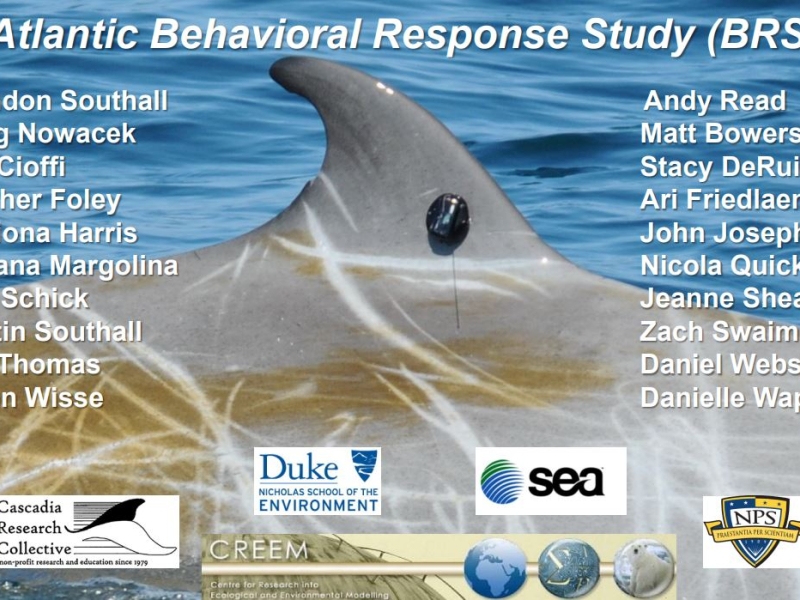
Atlantic Behavioral Response Study
Project Objectives
Assess behavioral response of beaked and pilot whales to mid-frequency tactical sonar
Current
Haul-Out Counts and Photo-Identification of Pinnipeds in Virginia
Project Objectives
Document seasonal occurrence, habitat use, and haul-out patterns of seals
Complete
Pinniped Tagging and Tracking in Southeast Virginia
Project Objectives
Document habitat use, movement and haul-out patterns of seals in the Hampton Roads region of Chesapeake Bay and coastal Atlantic Ocean
Complete
Lower Chesapeake Bay Sea Turtle Tagging and Tracking
Project Objectives
Assess ocurrence and behavior of loggerhead, green, and Kemp's ridley sea turtles in the Hampton Roads region of Chesapeake Bay and coastal Atlantic Ocean
Marine Mammal Behavior in Relation to In-Water Pile Driving in Puget Sound, Washington, USA..
20th Biennial Conference on the Biology of Marine Mammals .
More details
Collapse details
Date Published:
Filesize:
- December 9, 2013
Marine mammal (MM) monitoring was conducted during inwater pile driving (PD) at Naval Base Kitsap Bangor, Washington in Hood Canal during Fall 2011. Vessel-based monitoring was performed on construction days, during both active-construction (“AC”, defined as 30 minutes prior to, during, and 30 minutes after PD) and non-construction (“NC”, downtime) periods. Baseline surveys were also conducted throughout Hood Canal on days when no PD occurred. Monitoring and baseline surveys occurred over 53 days, during which Marine Mammal Observers (MMOs) recorded 1,207 sightings totaling 2,269 individual MM. Species observed included California sea lion (Zalophus californianus), Steller sea lion (Eumetopias jubatus), harbor seal (Phoca vitulina), and harbor porpoise (Phocoena phocoena). Harbor seals were the most frequently observed MM on construction days (n=782 sightings) and baseline survey days (n=197 sightings). The only cetaceans observed were harbor porpoise (n=68 construction, 34 baseline sightings). Harbor seal sighting rates were lower on construction days than on baseline days (0.73 and 1.80 sightings/observer hour [obs hr], respectively). Likewise, harbor porpoise were sighted less often on construction days than on baseline days (0.13 and 0.31 sightings/obs hr, respectively). On construction days, harbor seal sighting rates were actually higher during AC periods than NC periods (3.31 and 0.23 sightings/obs hr, respectively). This is consistent with MMOs’ qualitative observations that harbor seals (particularly juveniles) appeared to be attracted to PD, and often moved towards the construction area when PD was initiated. On construction days, pinnipeds were most often observed “diving,” “looking,” “sinking,” and “swimming”. During AC, 4% more pinnipeds were observed “diving” vs. NC periods (n=124). On construction days, harbor porpoise were most often observed “traveling”. During AC, 27% fewer harbor porpoise were observed “traveling” vs. NC periods (n=18). Overall, minor behavioral disruptions were observed in relation to PD, and were within “take” numbers in the issued Incidental Harassment Authorization.
- 4,632.51 KB
Assessment of goose-beaked whale responses to mid-frequency active sonar using a hierarchical hidden Markov model.
Movement Ecology. 2026.
14 (28)
More details
Collapse details
Date Published:
- April 24, 2026
Diving Behavior of Common Bottlenose Dolphins Around the Main Hawaiian Islands: Individual Variation and Responses to Diel and Lunar Cycles.
Marine Mammal Science. 2026.
Volume 4217, Issue 3
More details
Collapse details
Date Published:
- July 26, 2026
Baleen whale responses to a high frequency active pinger: Implications for upper frequency hearing limits.
Journal of the Acoustical Society of America. 2016.
140(4, Part 2):3412
More details
Collapse details
Date Published:
Publication:Ocean:Region:Species:Methods:
- October 1, 2016
In order to test the possibility of using high frequency pinger tags to track baleen whales on Navy instrumented ranges, three blue (Balaenoptera musculus) and one humpback (Megaptera novaeangliaea) whales were exposed to two high frequency pingers. The pinger frequencies were 37 and 45 kHz, with estimated received levels between 106 and 134 dB re 1 lPa. The whales were monitored prior to the exposure in order to establish their behavioral state and to acclimate them to the presence of the boat. Two of the blue whales were deep feeding, while the third blue whale and the humpback whale were traveling with intermittent bouts of possible foraging near the surface. Each exposure lasted approximately 30—40 minutes, and the whales were observed for an additional two to three surfacing intervals post-exposure. None of the blue whales demonstrated any behavioral response. The humpback whale’s response was inconclusive, as other foraging animals entered the area at the same time; however, it is likely there was no response. These data may begin to provide information on the upper frequency limits of baleen whale hearing, as these species have responded to Navy sonar-like sounds at lower frequencies but similar received levels and behavioral states.
More details
Collapse details
Date Published:
Filesize:
- July 8, 2026
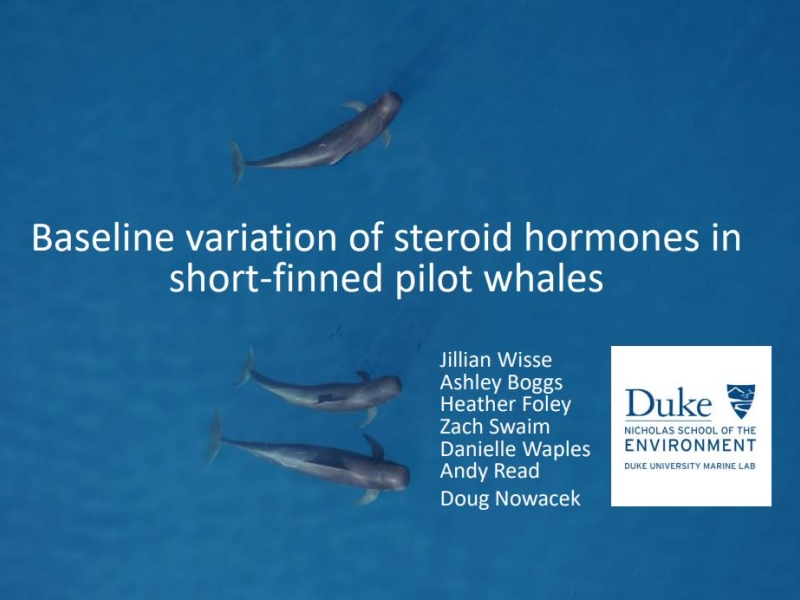
Two projects, one in the Atlantic Ocean and one in the Pacific Ocean, have simultaneously collected data from satellite-linked tags from a large number of short-finned pilot whales (Globicephala macrorhynchus; 54 from the Atlantic and 140 from the Pacific (50 from from Kaua’i), Tables 1 and 2). Pilot whales were exposed to MFAS in both areas, either opportunistically during a biannual training event at the Pacific Missile Range Facility (PMRF) in Hawai.i, or during controlled exposure experiments (CEEs) associated with the Atlantic Behavioral Response (BRS) project off Cape Hatteras, North Carolina, where experimentally simulated or operational SQS-53C sonars from surface warships were used (Figure 1). In addition, all tagged animals have some additional data known about their social relationships and context. Off Cape Hatteras this includes at minimum the number of other animals in the group they were tagged with and some photo-identification information about the associated population; off Kaua.i this includes information known about social network-derived relationships in the island-associated population and potential individual exposure histories. These data, along with newly developed spatial movement modeling techniques (Hanks et al., 2015; Johnson et al., 2021) adapted to satellite-linked tag data, create a natural experiment to evaluate and understand possible behavioral responses of shortfinned pilot whales to MFAS exposures in two different populations and environments.
- 644.89 KB
Acoustic monitoring of coastal dolphins and their response to naval mine neutralization exercises.
Royal Society. 2017.
4:170558
More details
Collapse details
Date Published:
Publication:Ocean:Region:Species:Methods:
- November 1, 2017
To investigate the potential impacts of naval mine neutralization exercises (MINEX) on odontocete cetaceans, a long-term passive acoustic monitoring study was conducted at a US Navy training range near Virginia Beach, USA. Bottom-moored acoustic recorders were deployed in 2012–2016 near the epicentre of MINEX training activity and were refurbished every 2–4 months. Recordings were analysed for the daily presence/absence of dolphins, and dolphin acoustic activity was quantified in detail for the hours and days before and after 31 MINEX training events. Dolphins occurred in the area year-round, but there was clear seasonal variability, with lower presence during winter months. Dolphins exhibited a behavioural response to underwater detonations. Dolphin acoustic activity near the training location was lower during the hours and days following detonations, suggesting that animals left the area and/or reduced their signalling. Concurrent acoustic monitoring farther away from the training area suggested that the radius of response was between 3 and 6 km. A generalized additive model indicated that the predictors that explained the greatest amount of deviance in the data were the day relative to the training event, the hour of the day and circumstances specific to each training event.
Journal of the Acoustical Society of America. 2016.
140(4, Part 2):3413
More details
Collapse details
Date Published:
Publication:Ocean:Region:Species:Methods:
- January 1, 2016
Opportunistic behavioral responses of baleen whales to disturbances from US Navy mid-frequency active sonar (MFAS) training at the Pacific Missile Range Facility, Kauai, Hawai’i, are being studied utilizing passive acoustic recordings. Automated passive acoustic detection, classification, localization, and tracking analyses of the data have shown a behavioral response in terms of a reduction, or cessation, of minke whale “boing” calling in response to US Navy training during the month of February 2011, 2012, and 2013 over a study area of 3,780 km2. The reduced calling is expressed as reduced minimum densities in the study area by utilizing acoustically localized individual whale counts. In February 2011, the density before sonar training was 3.64 whales while the density during sonar training was 0.69 whales (95% confidence intervals of 3.31-4.01 and 0.27- 1.8 whales, respectively). Individual ship-whale encounters have been observed to show cessation of calling from ship approaches without MFAS activity as well as ship approaches with MFAS. Sound Pressure Levels and Cumulative Sound Exposure Levels animals are exposed to are being estimated for evaluation of dose-response relationships. Tracking individual whales allows investigation of kinematics coupled with acoustic call details to establish baseline behaviors for comparison with observations during US Navy training.
Multi-scale behavioral response studies of cetaceans and MFAS along the US East Coast.
SEAMAMMS (Southeast and Mid-Atlantic Marine Mammal Symposium) .
More details
Collapse details
Date Published:
- April 7, 2017
- 335.12 KB
More details
Collapse details
Date Published:
Filesize:
- July 8, 2026
This annual progress report covers the 2025 field season and subsequent analyses. It provides a synthesis of experimental methods; field efforts; tagging results; and exposure-response results for two CEEs, including the second operational CAS CEE conducted with the United States Ship (USS) Donald Cook and the first-ever high-power experimental source CEE simulating CAS operations. It also includes a detailed analysis of the Kinéis satellite data receiving system relative to legacy ARGOS systems. Finally, it includes a synthesis of peer-reviewed papers that have been or are in the process of being published.
- 9,688.83 KB